Expert Architecture Firm Services: Tailored Services for Home and Business Projects
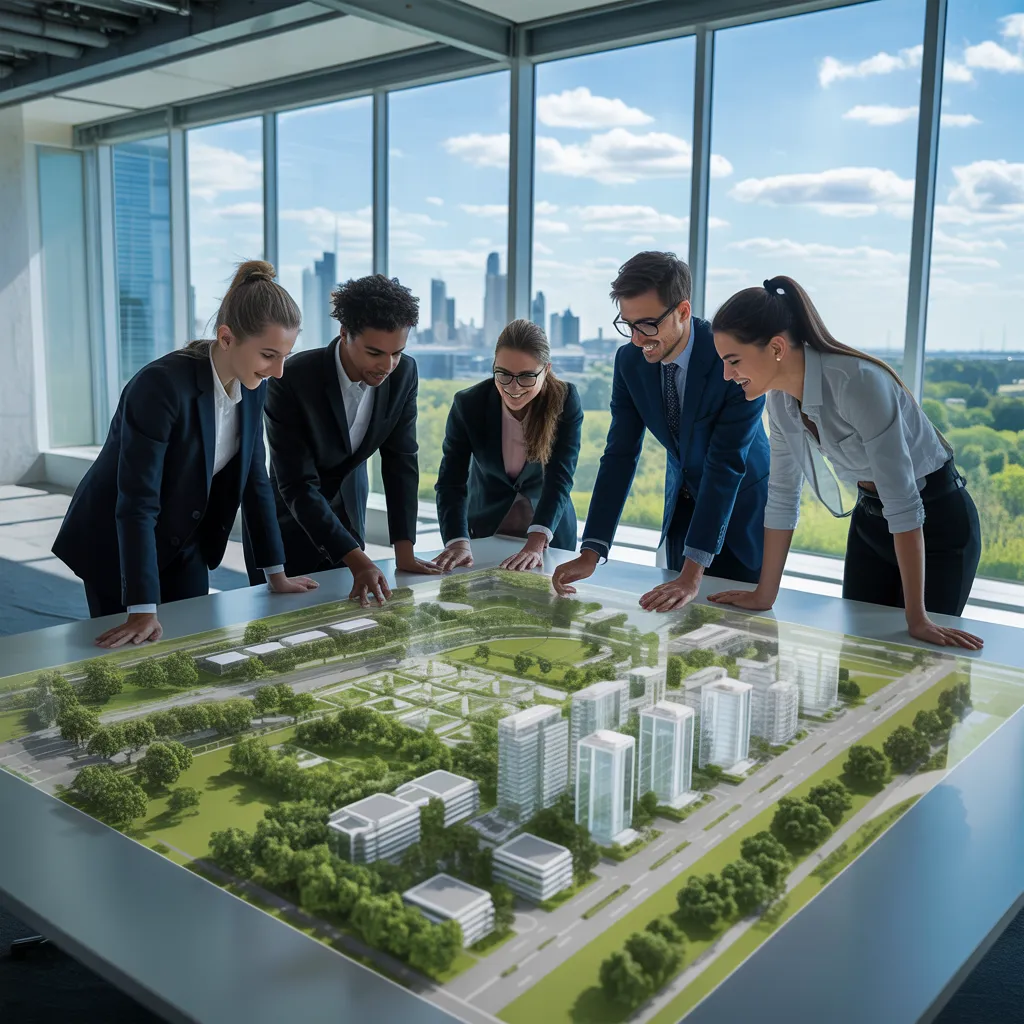
Skilled design firms contribute significantly to shaping both domestic and commercial areas. They fuse imagination with technical accuracy to supply tailored solutions. By conducting comprehensive assessments and location studies, these firms verify that every design aligns with client visions and regulatory requirements. As interest in innovative and responsible designs grows, understanding what these firms offer becomes paramount. This exploration reveals how these offerings can profoundly shape project success.
What Skilled Architectural Businesses Supply to Your Proposal
Leading design firms boost projects by integrating creativity with technical expertise. They offer a wealth of knowledge in design principles and construction methods, guaranteeing that each project is not only aesthetically pleasing but also structurally sound. Their team-oriented approach fosters communication among stakeholders, permitting for a seamless integration of ideas and requirements.
In addition, competent enterprises apply sophisticated technology, such as Building Information Modeling (BIM), to produce thorough visualizations and simulations, strengthening judgment and planning. Their familiarity with area-specific statutes and zoning ordinances guarantees compliance, curtailing schedule disruptions and adverse consequences.
Furthermore, they deliver environmentally conscious design approaches that foster lower energy usage and green accountability. By customizing their services to the individual requirements of each client, expert architecture firms deliver innovative solutions that enhance practicality and inhabitability. Ultimately, their comprehensive expertise brings concepts into physical form, creating spaces that are both useful and uplifting.
Main Resources for Your Home Design Project
Within residential architecture, a range of services proves essential to assure a accomplished project from origin to completion. Initial meetings help clients in conveying their objectives and requirements, enabling architects to develop a thorough design brief. Site review ensues, assessing conditions such as topography, zoning regulations, and environmental considerations.
Subsequently, designers create preliminary plans that outline the project’s layout and aesthetics. This phase often includes 3D modeling, providing clients with a graphic depiction of the final product. Once designs are approved, detailed construction documents are prepared, ensuring that contractors have all required information.
Moreover, construction oversight services enable unobstructed connection between stakeholders and construction teams, handling any difficulties that arise during the building phase. Adherence to building codes and local regulations is equally observed throughout the workflow. These essential services collectively guarantee that residential architecture projects achieve client expectations while upholding legal and safety standards.
Custom Options for Commercial Architecture
While the requirements of corporate environments can differ broadly, customized architectural solutions are important for improving performance and visual appeal. Expert architecture firms understand the importance of understanding each customer's specific needs, whether for store, office, or mixed-use developments. By conducting thorough evaluations, they can construct areas that enhance operational efficiency while expressing brand identity.
Additionally, bespoke solutions account for the specific zoning regulations and site conditions, ensuring compliance and maximizing the use of available land. Architects implement innovative design techniques to build adaptable environments that support future growth and shifting business needs.
Partnering with collaborators, including contractors and interior designers, further advances the design process, producing integrated and well-designed spaces. Ultimately, these custom architectural solutions not only raise the user experience but also foster the long-term success of the commercial venture, establishing a strong foundation for future endeavors.
How Environmental responsibility Enhances Architectural Planning
Sustainability represents an important role in contemporary architectural design by fostering the adoption of eco-friendly materials and implementing energy efficiency strategies. Architects progressively champion methods that minimize environmental consequences while enhancing the aesthetic and functional characteristics of their structures. This focus to sustainability benefits the planet while also enhancing value to the built environment.
Eco-Friendly Materials Utilization
As design professionals increasingly prioritize environmental responsibility, the integration of sustainable materials becomes a crucial aspect of contemporary architecture. Utilizing green materials, such as reclaimed wood, bamboo, and recycled metals, not only reduces environmental impact but also enhances aesthetic appeal. These materials often feature distinctive qualities and properties, allowing for innovative design solutions that distinguish projects. Additionally, eco-friendly materials promote healthier indoor environments by reducing harmful emissions and supporting better air quality. Design professionals who adopt these green alternatives demonstrate a dedication to both functionality and a reduced ecological footprint. By choosing materials that are ethically sourced and environmentally friendly, architectural firms can design spaces that reflect contemporary values while addressing the pressing challenges of climate change.
Power Saving Techniques
Transforming architectural design through sustainable efficiency methods creates a seamless integration of functionality and sustainability. By utilizing advanced insulation materials, energy-efficient windows, and alternative energy sources, architects can significantly lower a building's greenhouse gas emissions. These techniques not only lower energy consumption but also strengthen occupant satisfaction and health.
Natural ventilation, passive solar design, and green roofs additionally aid to environmental responsibility, enabling structures to maintain ideal indoor climates while lowering reliance on mechanical systems. Furthermore, smart building technologies improve power consumption through continuous observation and management. As a result, power conservation serves as a core component of modern architecture, spurring advancement and responsible design practices in both commercial and residential developments, ultimately fostering a greener constructed landscape.
What Elements Should You Evaluate When Selecting an Architecture Firm?
When picking an architecture firm, potential clients should prioritize the firm's portfolio and experience to ensure consistency with their design goals. Additionally, strong communication and teamwork are essential for a successful partnership. Evaluating these factors will enable clients to make a well-reasoned choice for their design requirements.
Portfolio and Experience
Evaluating the portfolio and expertise of an architecture firm is essential for making an educated choice. A carefully selected portfolio showcases the firm's creative approach, creativity, and flexibility across various projects. Prospective clients should seek examples that match their vision, whether residential or commercial. Experience in similar projects is equally important; firms with a robust history in related projects are more likely to understand specific challenges and regulations. Additionally, reviewing completed projects can provide a better understanding into the firm's ability to manage timelines and budgets. Client testimonials and case studies also enhance understanding of the firm’s problem-solving skills and adaptability. Ultimately, a firm’s portfolio and experience serve as indicators of their ability to deliver successful outcomes.
Communication and Collaboration
Effective interaction and collaboration are crucial components in the choice of an architecture firm, as they directly affect project success. A firm’s ability to listen to client needs and express design concepts clearly is paramount. Prospective clients should evaluate how firms facilitate dialogue, guaranteeing an open exchange of ideas throughout the project lifecycle. Regular updates and responsiveness to inquiries can improve teamwork, fostering a productive environment. Additionally, the use of collaborative tools and technology can simplify processes, making it easier for clients to visualize designs and provide feedback. Ultimately, a strong partnership built on trust and transparency will lead to innovative solutions and a more satisfying project outcome, making these factors critical in the decision-making process.
Ways Technology Can Improve Your Architectural Design
As building design advances, technology serves as a key driver in shaping novel approaches. Cutting-edge digital platforms, such as Building Information Modeling (BIM), allow architects to develop comprehensive 3D models of structures, allowing for improved clarity and streamlined project management. This technology enables immediate collaboration among stakeholders, guaranteeing that design iterations can be quickly executed and assessed.
Additionally, artificial intelligence (AI) helps with improving design layouts and power consumption, providing data-driven insights that guide decision-making. Virtual reality (VR) and augmented reality (AR) deliver engaging simulations, enabling clients to explore designs before construction begins. This not only enhances client engagement but also enhances accuracy in meeting expectations.
Furthermore, sustainable technologies are vital for modern design, adopting eco-friendly materials and low-energy technologies. Overall, incorporating technology into architectural design enables more efficient processes, better exchange of information, and ultimately, higher-quality outcomes for both residential and commercial projects.
How Can You Partner Successfully With Your Architect?
The interaction between clients and architects greatly influences the success of a project. Productive cooperation depends open communication from the outset. Clients should articulate their vision, budget, and timeline, enabling architects to align their designs accordingly. Regular meetings support candor, enabling both parties to handle problems and adapt plans as needed.
Additionally, customers should remain open to expert insights. Architects offer invaluable experience and creativity, which can boost the project beyond initial expectations. Employing collaborative tools, such as shared design software, can streamline feedback and revisions, making the process more efficient.
Trust is equally crucial; clients should feel assured in their architect's decisions while permitting room for creativity. explore article By establishing a cooperative environment, both clients and architects can work towards a shared goal, ensuring that the final design not only meets functional requirements but also reflects the desired aesthetic. This synergy ultimately leads to positive results in both residential and commercial projects.
Frequently Asked Questions
What Defines the Common Project Timeline for Architecture?
The conventional project timeline for design services extends from several months to over a year. This timespan incorporates steps including initial design, expansion, specifications, and building, each fluctuating determined by complexity of the project and client needs.
In What Ways Do Architecture Firms Deal with Zoning and Permit Obstacles?
Architectural firms typically undertake extensive research on local zoning laws and regulations. They often coordinate with municipal authorities, prepare necessary documentation, and submit permit applications to guarantee compliance and facilitate smooth project progression.
What Costs Should You Anticipate When Hiring an Architecture Firm?
Charges associated with retaining an architecture firm differ significantly, typically extending between hourly rates to fixed fees determined by project complexity. Extra costs may involve regulatory approvals, supplies, and consultations, affecting the total budget significantly.
May I make changes to the appearance once approved?
Yes, alterations can be done after design endorsement, but they may lead to additional costs and time extensions. The magnitude of modifications depends upon the project's stage and the defined terms incorporated in the contract with the design firm.
In What Ways Do Architecture Firms Ensure Client Confidentiality?
Architecture firms assure client confidentiality via strict data protection protocols, employee training, and non-disclosure agreements. They establish secure communication channels and control access to sensitive information, emphasizing client privacy and trust.